Audit your SEO,
see what AI quotes from your page
Score your website against 318 rules drawn from Google, Bing, web.dev and other technical sources. Preview which passages Google AI Overviews and Bing Copilot would lift into an answer.
How AI Search Cites Your Content
Simulation of how Google AI Overview and Bing Copilot extract and display content from your website in AI search results.
On-page SEO is the most important foundation for e-commerce websites. Each product page needs a title tag with the primary keyword (30-60 characters), a compelling meta description, and clear heading structure.
Structured Data (Schema.org) lets Google show rich results on search pages — star ratings, product prices, stock status. Use Product, BreadcrumbList and Organization schema that matches what the page visibly shows.
Ensure Core Web Vitals meet good thresholds: LCP < 2.5s, CLS < 0.1 to improve both user experience and search rankings.
People also ask
How to check website SEO for free?
Use CiteStat at citestat.com for a free audit with 318 SEO rules. The tool analyzes on-page, technical, schema, performance and provides specific recommendations.
How do Core Web Vitals affect SEO?
Core Web Vitals (LCP, INP, CLS) are official Google ranking factors. INP (Interaction to Next Paint) replaced FID in 2024. Websites meeting good thresholds for all 3 metrics gain a significant ranking advantage.
How do AI search engines extract content?
AI crawlers such as GPTBot and ClaudeBot read the HTML the server sends without running JavaScript, then separate the main content from menus, sidebars and footers. <main>, <article> and clear headings make that separation easier; content that appears only after JavaScript runs does not exist for them.
Is Structured Data required for SEO?
Not required. Google says no special structured data is needed to appear in AI Overviews. Schema.org markup helps Google understand a page and is what makes it eligible for rich results (star ratings, prices, breadcrumbs) — the markup must match what the page visibly shows.
See what CiteStat finds
3 steps to get your website found by Google and AI
Step 1: Find technical SEO issues
Scan 318 rules from Google, Bing and other technical sources — uncover hidden issues dragging your rankings down.
Step 2: Evaluate content quality
Analyze depth, readability, E-E-A-T, AI slop — with step-by-step fix instructions.
Step 3: Check if AI can cite you
Simulate how Google AI Overview, ChatGPT, Perplexity read and cite your content.
Why CiteStat Is Different
Built for the AI search era. Not another Lighthouse wrapper.
318 Rules, Each Sourced
Not 50. Not "best practices". 318 rules drawn from Google Search Central, Bing Webmaster, web.dev, MDN and web standards.
Most SEO tools run Lighthouse and call it a day. CiteStat runs 318 rules across 8 categories — on-page, technical, schema, performance, security, content quality, GEO/AI readiness, and agent readiness. Each rule names the page it came from.

See How AI Search Cites You
The only tool that simulates Google AI Overviews, Bing Copilot, and CocCoc AI content extraction.
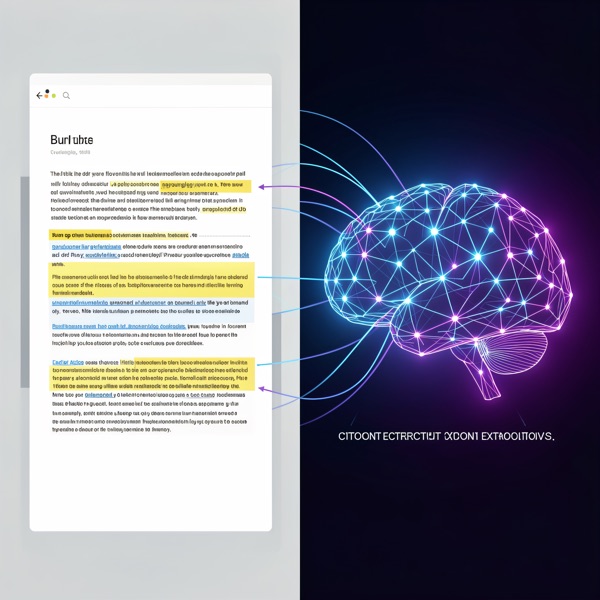
AI search engines don't just rank pages — they extract and cite passages. CiteStat simulates this extraction: which paragraph would Google AI Overview quote? What's your citability score? Which passages are strong, which are invisible? No other SEO tool shows you this.
Detect AI Slop Before Google Does
AI-generated content detection, E-E-A-T depth analysis, and readability scoring.
CiteStat detects AI-generated content signals: trigger words, em-dash overuse, low burstiness (monotone sentence length), excessive passive voice. Plus deep E-E-A-T analysis — not just "does author schema exist" but author bio quality, sourced statistics, and promotional tone.
16 Agent Readiness Checks
Is your website ready for AI agents? llms.txt, MCP server, API catalog, web-bot-auth.
Compare Up To 5 Competitors
Side-by-side SEO scores, category breakdowns, and AI citability comparison.
6 Agent Skills + MCP Server
Works with Claude Code, Cursor, and any MCP-compatible AI assistant.